

-
-
【所属・肩書 Affiliation & title/role】
木版画家 Woodblock Print Artist【専門分野・制作/研究領域 Area of practice/research focus】
水性絵具と板目板を用いた木版画制作 Woodblock printing using water-based pigments and plank-grain woodblocks【自己紹介文 Short bio】
私は宮城県仙台市で木版画の制作をしています。
制作技法としては、板目板、透明水性絵具、ばれん、和紙を用いて、伝統的な技法を使用し制作を行なっています。
作品はギャラリーで展示したり、商品ラベルや演劇のチラシ、広報誌の挿絵などの原画に使われたりしています。また、おふだのような形で小さい作品そのものを売ることもしています。
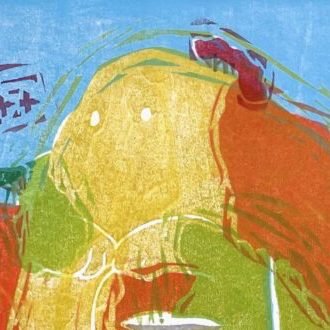
作品に描くのは山や獣、年中行事、漢字などの文字です。これらは日本の古い信仰と生活に基づいています。これらを表現するのに、日本で漉かれた和紙を使うのは最適だ、と私は考えています。I am a woodblock print artist based in Sendai City, Miyagi Prefecture.
My practice employs traditional techniques using plank-grain woodblocks, transparent water-based pigments, a baren, and washi.
My works are exhibited in galleries and used as original illustrations for product labels, theatre flyers, and public relations magazines. I also sell small woodblock prints in the form of amulets or talismans.
The motifs in my works include mountains, animals, seasonal events, and Chinese characters--subjects rooted in Japan's ancient beliefs and traditional lifestyles. I believe that using washi made in Japan is the most suitable way to express these themes.
【参加にあたっての抱負 Aims for taking part】
私は主に宮城県の丸森和紙、岩手県の東山和紙を用いています。
いずれも、現地へ仕入れに赴き、紙漉き職人の方や販売者の方からお話を聞いています。どちらも、紙漉きの作業と合わせて、原料となる楮を育てるところから自分たちでまかなっています。膨大な作業が必要で、生産量は多くありません。後継者は不足しています。
こういった事柄から、木版画に和紙を使用することは物体としての魅力と日本の風土を表すという魅力がある一方で、この先も作り続けられるのか、といった課題があるように感じています。
この企画へ参加することで、和紙を用いた創作についてより深く考えたいと思います。I mainly use Marumori washi from Miyagi Prefecture and Higashiyama washi from Iwate Prefecture. I personally visit the production sites to purchase the paper and speak directly with papermakers and sellers. Both production areas cultivate kozo (paper mulberry), the raw material for washi, by themselves in addition to making the paper. The process is extremely labor-intensive, and production volumes are limited. There is also a shortage of successors to continue these traditions.
For these reasons, I feel that using washi in woodblock printing carries not only the tangible beauty and cultural resonance of Japan's natural environment but also raises questions about its sustainability--whether such paper can continue to be produced in the future.
By participating in this workshop, I hope to deepen my reflection on artistic creation using washi.
明才 Myosai